.png)
You've decided to sell your home. Now comes the hard part, looking at your living room through the cold, important eyes of a stranger. When you live in a house for years, you stop seeing the scuff marks on the baseboards or the way the mail piles up on the kitchen counter. But buyers see everything.
This is where staging comes in. Many sellers assume staging is just an expensive luxury, but it's actually a smart pricing and positioning approach. According to the National Association of Realtors (NAR) 2025 Profile of Home Staging, 83% of buyer's agents say staging makes it much easier for a buyer to visualize the property as their future home.¹
So what does this actually mean for your wallet? The same report shows that 29% of real estate agents saw staging increase the offer value by 1% to 10% compared to similar, unstaged homes.¹ On a $400,000 home, that's an extra $4,000 to $40,000 in your pocket. Plus, nearly half of the sellers' agents reported that staging successfully reduced the time a home spent on the market.³
The good news is that you don't need to hire an expensive professional design crew to get these results. Recent data from the Real Estate Staging Association (RESA) highlights that even properties staged for under $1,000 saw a 134% return on investment.⁴ Staging isn't about buying expensive new things. It's about removing the extra things you already have to create a clean, open space.
As Felicia Pulley, Creative Director at RESA, explains, this kind of return doesn't happen by accident. It happens when you treat staging as a business tool rather than an afterthought.⁴ If you want to sell quickly, you have to emotionally detach from your house. It's no longer your home; it's a product on a shelf.
Mastering the Art of De-Personalization
Have you ever walked into a model home and felt an immediate sense of calm? That's not an accident. Model homes are designed to be beautiful but neutral. They allow you to project your own life, your own furniture, and your own memories onto the empty space.
When buyers walk through your house, they need that same blank canvas. If they see your family vacation photos on the wall or your collection of vintage teapots in the kitchen, their brain shifts. Instead of thinking about where their own couch will go, they start wondering about who you are. They feel like intruders in someone else's private space.
To fix this, you need to pack away anything highly personal. Think of it as getting a head start on your move. Focus on these key areas:
• Personal photographs: Pack away family portraits, wedding albums, and kids' drawings from the refrigerator.
• Collectibles and hobbies: Put sports memorabilia, trophies, and quirky collections into storage boxes.
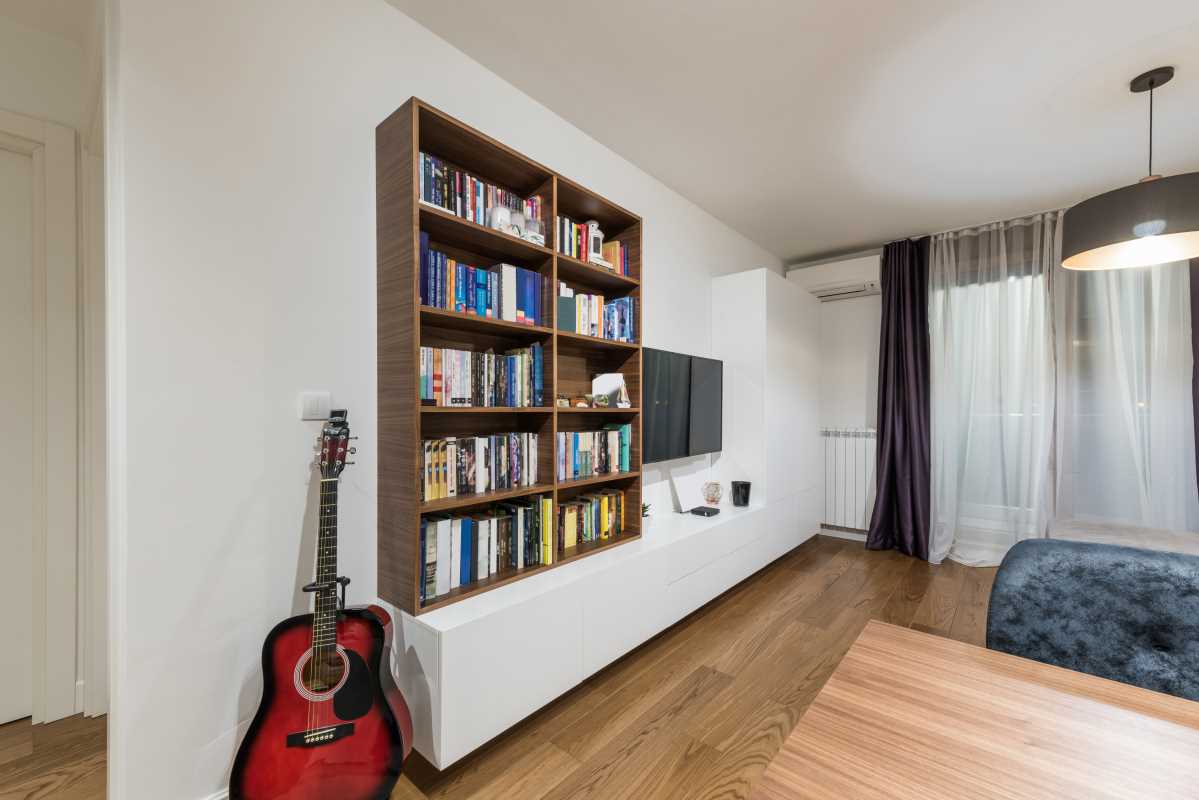
• Daily clutter: Clear off countertops, tables, and desks, leaving only one or two simple decorative items.
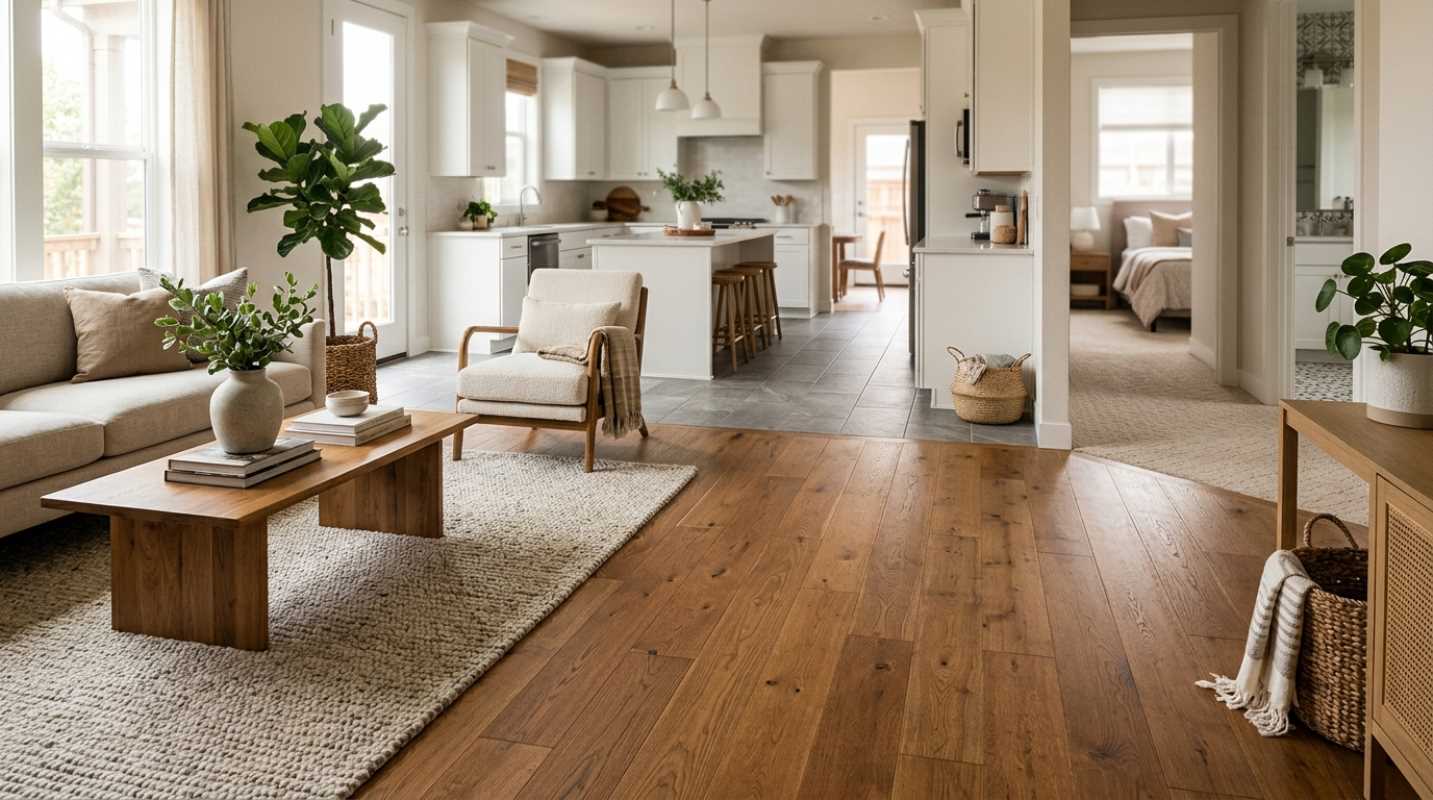
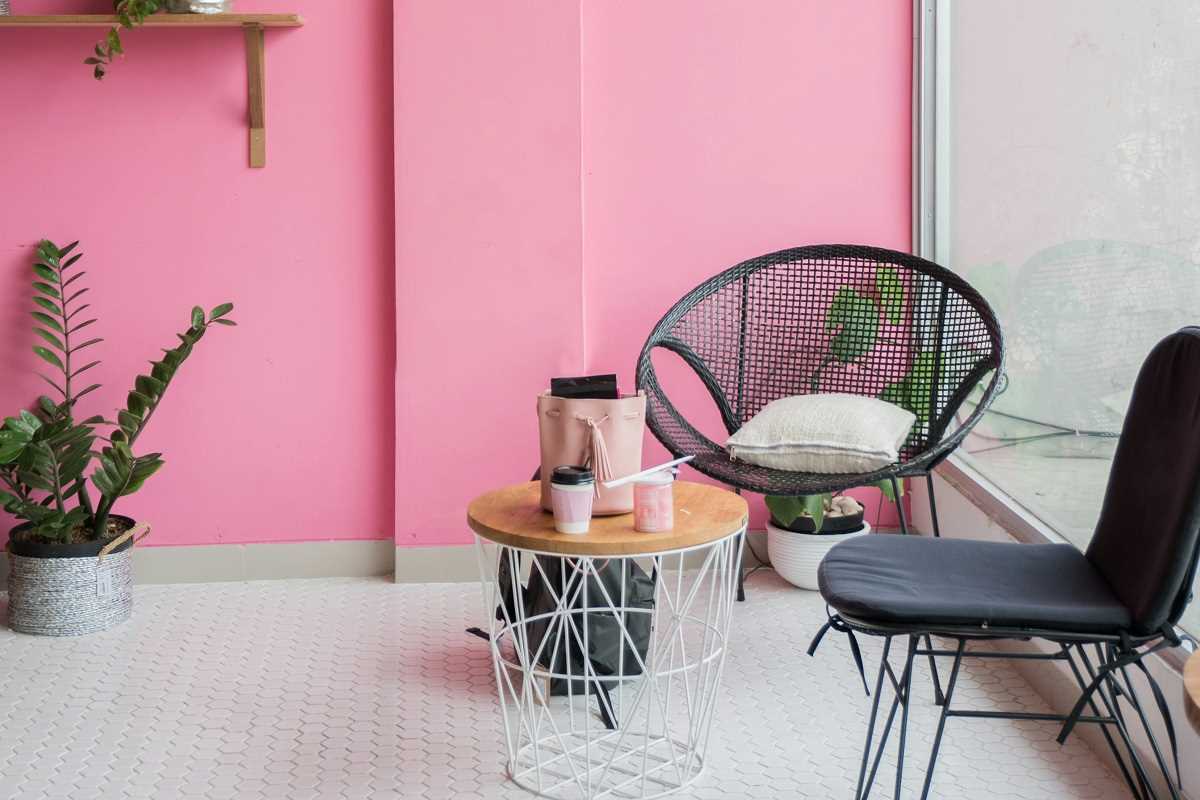
Once you clear out the personal items, you want to focus on creating a neutral environment. But don't make the mistake of going too cold. The era of sterile, cool-gray interiors is over. Buyers today want spaces that feel warm and cozy. Instead of gray, use warm neutrals like creams, soft beiges, and warm whites as your base. You can add small touches of earthy accent colors like sage green, terracotta, or dusty blue through simple items like throw pillows or rugs.
Budget Home Staging Ideas That Pack a Punch
You don't need a massive budget to make your home look like a million dollars. In fact, some of the most effective staging moves cost absolutely nothing.
Start by looking at your furniture. Many people push all their furniture against the walls because they think it makes the room look larger. It actually does the opposite. Instead, try "floating" your furniture by pulling sofas and chairs a few inches away from the walls. This creates better traffic flow and makes the space feel more open and intentional.
Next, focus on lighting. Buyers hate dark, dingy spaces. You can instantly brighten your home with a few simple steps.
• Let the light in: Remove heavy, dark draperies and replace them with light, sheer curtains, or just leave the windows uncovered to let in natural light.
• The mirror trick: Hang a single, large mirror opposite a window. This bounces light around the room and visually doubles the size of the space.
• Swap your bulbs: Mismatched lighting makes a home look cheap. Replace old, harsh bulbs with warm, consistent LEDs to make the rooms feel cozy and bright.
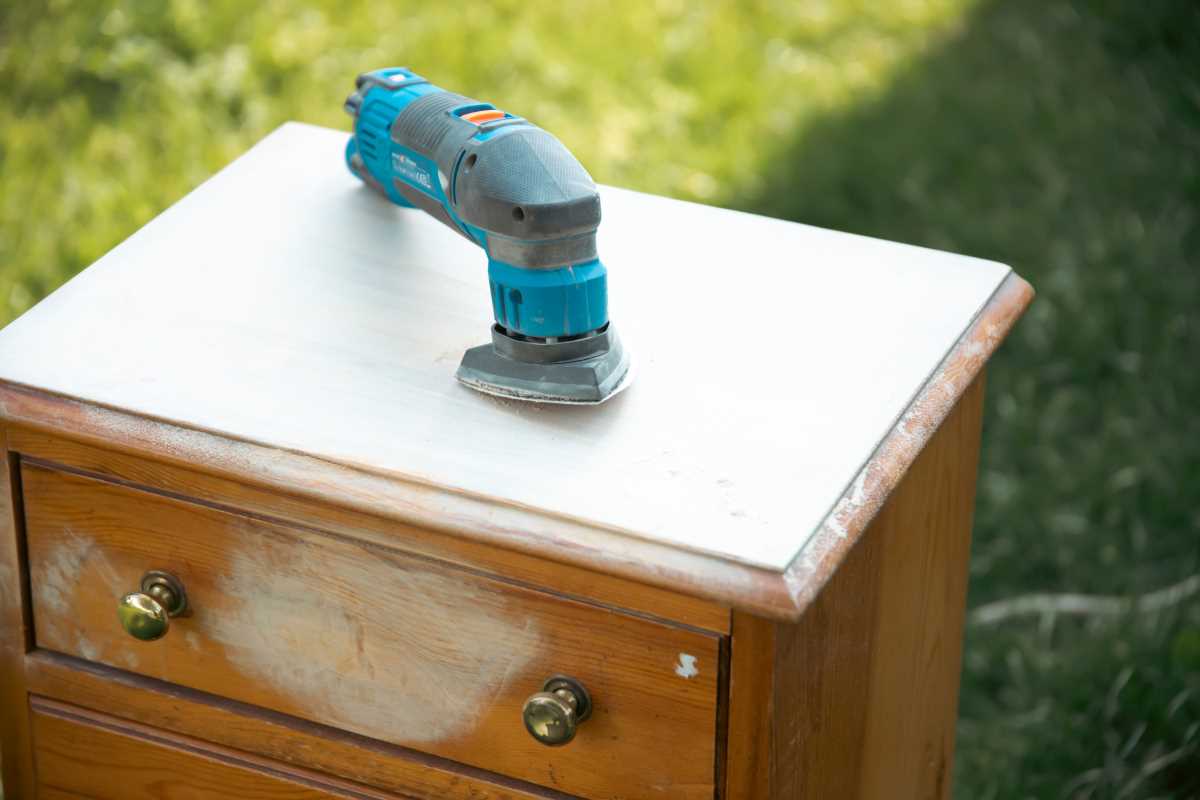
Finally, look for small, low-cost DIY upgrades. Replace outdated kitchen cabinet pulls with modern matte black or brushed brass hardware. Tighten loose doorknobs and fix cabinet hinges that don't close properly. Buyers notice these small details, and a loose handle can make them wonder if the rest of the house has been neglected.
How to Stage a House to Sell with a Room-by-Room Approach
If you're on a tight budget, don't waste time staging rooms that buyers don't care about. Guest bedrooms and home offices are low priorities. Instead, focus your energy on the three rooms that matter most: the living room, the primary bedroom, and the kitchen.¹
Let us break down how to handle these high-impact areas, along with a few other key spots.
The Living Room
This is the first major space buyers will see, so it needs to feel welcoming. Keep the layout simple. Clear off the coffee table, leaving only a single book or a small plant. Keep walkways completely clear so buyers don't have to squeeze past furniture.
The Kitchen
Buyers want to see counter space. Clear everything off your kitchen counters, including the toaster, the blender, and the knife block. Leave only one tasteful item, like a bowl of fresh lemons or a small, real plant. Clean the stovetop until it shines, and make sure the sink is completely empty.
The Primary Suite
Your bedroom should feel like a peaceful retreat. Use a neutral comforter and fluff up the pillows. Clear off the nightstands, removing phone chargers, books, and tissues. If you have a walk-in closet, pack away half of your clothes. An empty closet looks much larger, which tells buyers there is plenty of storage space.
The Entryway
First impressions happen at the front door. Sweep the porch, buy a fresh, neutral welcome mat, and place a potted plant with seasonal flowers next to the door. Make sure the entryway inside is bright, clean, and free of shoes or coats.
The Bathroom
You don't need a costly remodel to give your bathroom a spa-like feel.
• Double up on shower curtains: Buy two inexpensive, textured white shower curtains and hang them on either side of the tub. This creates a full, custom look for very little money.
• Fresh linens: Put away your everyday towels and hang brand-new, plush white towels that are reserved only for showings.
• Add green life: Place a small, real plant like a pothos or a snake plant on the vanity to add a touch of nature.
Necessary Home Staging Tips for Sellers on a Budget
As you prepare for showings, remember that buyers shop with their eyes online first. Chris Lim, Executive Vice President and Chief Growth Officer at RE/MAX, points out that most buyers start their search online, so those first digital impressions are important.³ In fact, one in three buyer's agents reported that clients were far more likely to schedule an in-person showing after seeing a beautifully staged home online.¹
To get those perfect photos and win over buyers during walk-throughs, keep these final budget-friendly tips in mind:
• Boost curb appeal: You don't need expensive landscaping. Simply trim overgrown bushes that block windows, edge the lawn, and clear away any weeds from the driveway.
• Use real plants: Ditch the fake plastic plants. Real plants like pothos or snake plants are cheap, easy to care for, and bring natural energy into a room.
• Deep clean everything: A spotless home signals to buyers that the property has been well maintained. Clean the baseboards, wash the windows inside and out, and scrub the bathroom grout.
• Create a showing routine: Before a buyer arrives, turn on every light in the house, open all the blinds, and make sure the air is fresh and neutral. Avoid strong chemical air fresheners, which can make buyers wonder what smells you are trying to hide.
By focusing on these high-impact, low-cost approaches, you can make your home feel inviting, spacious, and ready for its next owner, all without spending a fortune.
Sources:
1. 2025 Profile of Home Staging
https://www.nar.realtor/research-and-statistics/research-reports/profile-of-home-staging
2. The Case for Home Staging and How It Pays Off
https://www.nar.realtor/blogs/styled-staged-sold/the-case-for-home-staging-and-how-it-pays-off
3. NAR Report Reveals Home Staging Boosts Sale Prices and Reduces Time on Market
https://www.nar.realtor/newsroom/nar-report-reveals-home-staging-boosts-sale-prices-and-reduces-time-on-market
4. What Is the Return on Staging Investment? RESA Stats 2025
https://homestagingnewswire.com/what-is-the-return-on-staging-investment-resa-stats-2025
5. 2025 Profile of Home Staging Report PDF
https://cms.nar.realtor/sites/default/files/2025-06/2025-profile-of-home-staging-report-06-26-2025.pdf
*This article on tenlira.net is for informational and educational purposes only. Readers are encouraged to consult qualified professionals and verify details with official sources before making decisions. This content does not constitute professional advice.*