Have you ever actually crawled across your living room rug on your hands and knees? It sounds ridiculous, but getting down on a toddler's physical level is one of the best things you can do. From down there, you see a completely different world. That dangling lamp cord looks like a fun rope to pull, and the dusty space under the TV console is suddenly a treasure trove of tiny, swallowable objects.
Childproofing your home is one of those tasks that can feel like a lot of work. But looking at it as a proactive investment in your peace of mind makes it much more manageable. Instead of constantly shouting "no!" or living in a state of high alert, you can create a secure environment where your little explorer can actually learn and play.
The numbers show why this matters. Safe Kids Worldwide reports that more than 2,200 children die from unintentional home injuries every year.¹ That is about six kids a day. On top of that, over 3.4 million children experience non-fatal, home-related injuries annually.¹
So how do we tackle this without losing our minds? The easiest way is to break it down, room by room. Let's take a walk through your house and secure the most common danger zones.
Living Room and Common Areas: Taming the Hazards
The living room is where your family spends the most time, which means it's also where your child will test their physical limits. As soon as babies start pulling themselves up, every piece of furniture becomes a ladder.
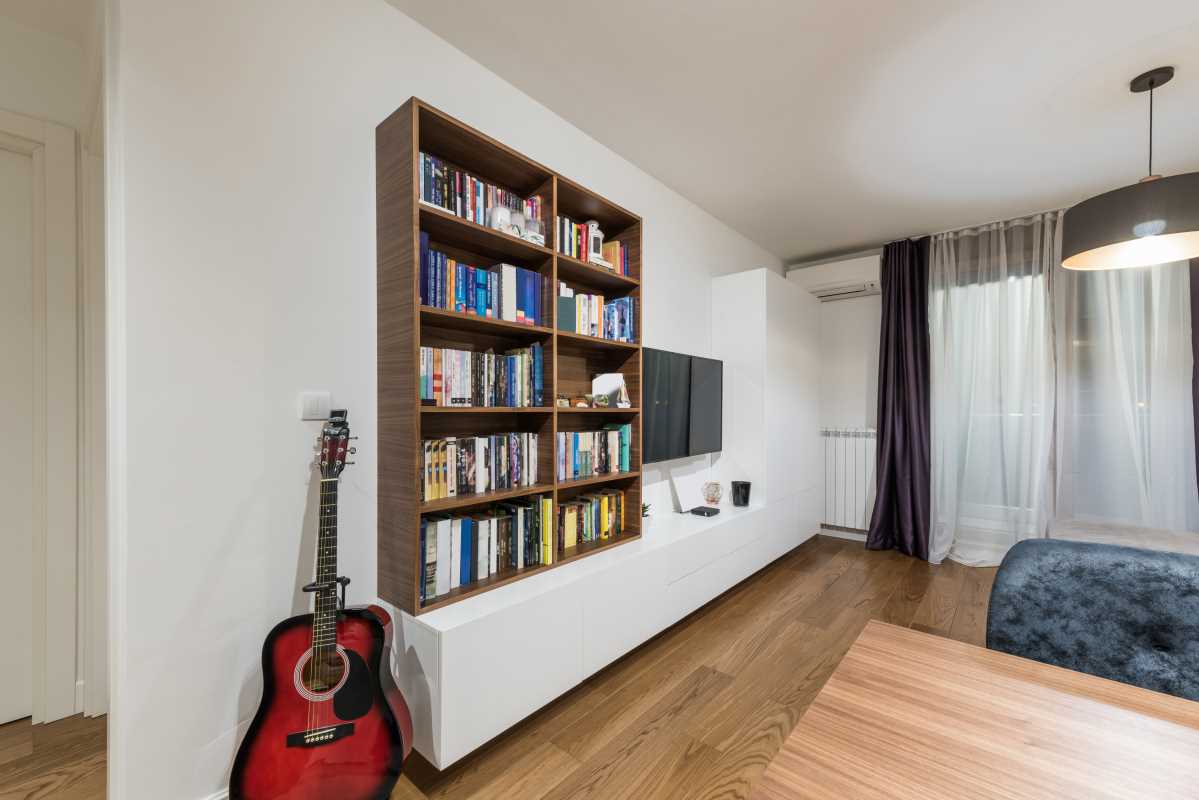
Heavy furniture is one of the biggest hidden dangers in common areas. You might think your heavy oak bookshelf is too heavy to tip, but a toddler pulling on an open drawer can bring it crashing down in seconds.
To address this, we have safety standards like the STURDY Act, which took effect in late 2023. This law mandates that new clothing storage units must pass rigorous stability tests. But here's the catch: the law isn't retroactive. Your older dressers and bookshelves are still a major risk, so you must manually anchor them to wall studs using anti-tip brackets or straps.
Here's a quick checklist to tame the hazards in your living spaces
• Furniture Anchors: Secure all dressers, bookshelves, and TV stands directly to the wall studs.
• Outlet Protection: Use sliding outlet cover plates rather than those little plastic insert plugs. Toddlers can easily pull those plastic inserts out and put them straight into their mouths.
• Cord Management: Keep electrical cords tucked away behind furniture or encased in cord organizers.
• The Toilet Paper Roll Test: If a toy or small decor item fits inside a toilet paper roll, it's a choking hazard. Keep these items completely out of reach.
• Button Battery Vigilance: Check every remote, key fob, and musical toy. Under Reese's Law, products must have secure battery compartments, but older household items don't. Keep spare batteries locked away.
Kitchen and Bathroom Managing High-Risk Zones
Kitchens and bathrooms are the heavy-duty hazard zones. They contain water, heat, sharp objects, and chemicals, which create a perfect storm for curious toddlers.
Let's start with pediatric poisoning, which has seen a worrying surge. The Consumer Product Safety Commission reported that an estimated 67,000 children under five were treated in emergency rooms for unintentional poisoning in 2023.² Many of these cases involve household cleaners, laundry pods, and medications.
In the bathroom, water safety is your absolute top priority. Drowning is the leading cause of unintentional injury-related death for children ages 1 to 4. It can happen in as little as one to two inches of water, and it takes less than 30 seconds.
To manage these high-risk zones, focus on these key rules
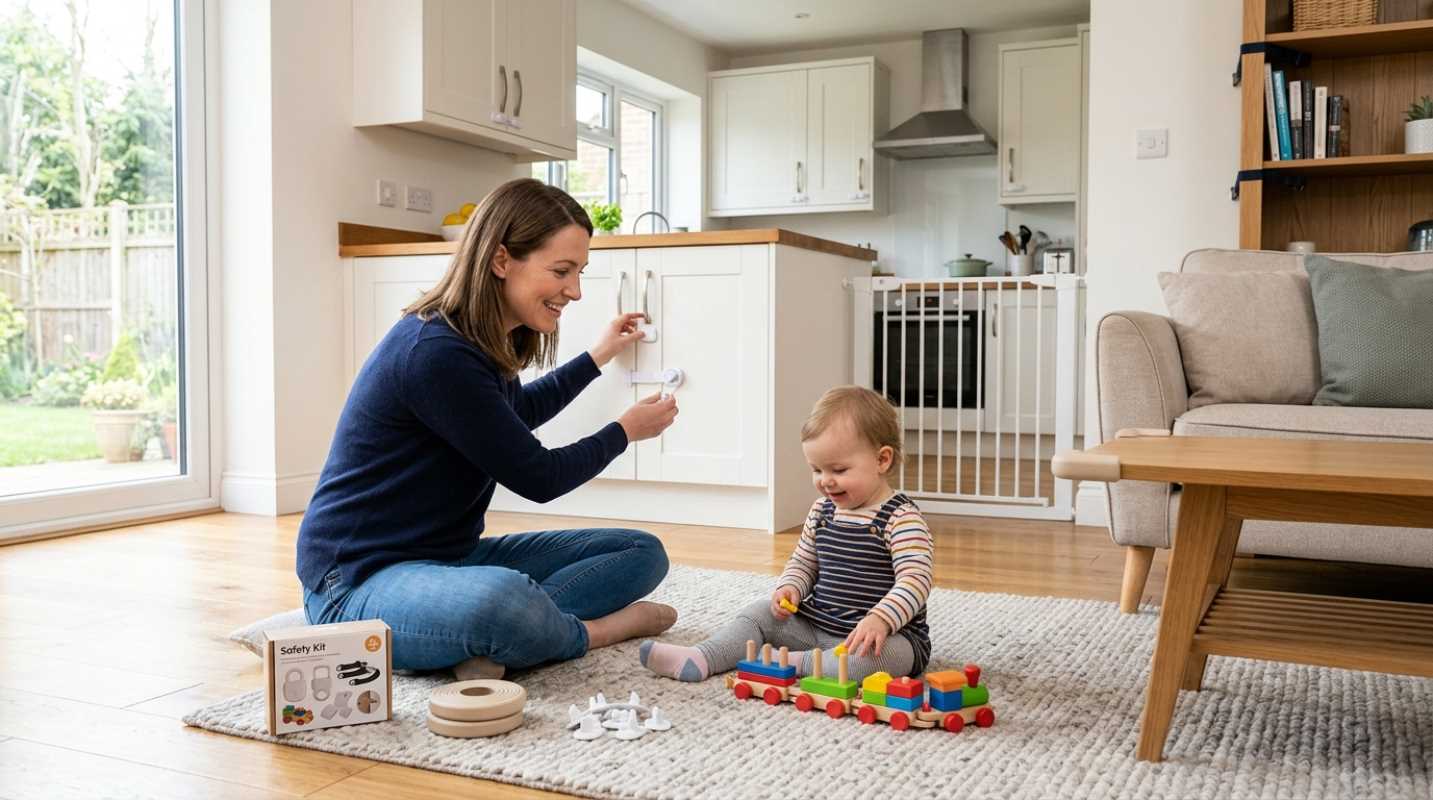
• Cabinet and Drawer Locks: Install magnetic or latch locks on all lower cabinets. This is especially important for cabinets containing dishwasher pods, cleaning supplies, or sharp utensils.
• Safe Medication Storage: Keep all medications, vitamins, and cosmetics locked in a secure box. Do not rely on childproof caps because determined toddlers can open them surprisingly fast.³
• Water Temperature Control: Set your water heater to 120°F (48.9°C) or lower to prevent severe bathwater burns. Install a soft rubber spout cover over the tub faucet to protect against bumps.
• Stove and Appliance Safety: Use stove knob covers and cook on the back burners whenever possible. Always turn pot handles inward so they cannot be grabbed from below.
• Unexpected Kitchen Hazards: Keep spices like ground cinnamon out of reach. If inhaled, fine spices can cause severe lung damage or suffocation.
Bedrooms and Playrooms Creating Safe Havens
Your child's bedroom and playroom should be places where you can let your guard down a little. To make these spaces true safe havens, you need to focus on safe sleep, safe toys, and secure windows.
For infants, safe sleep is non-negotiable. The American Academy of Pediatrics guidelines emphasize that bare is best. This means your baby should sleep on their back on a firm, flat surface with nothing but a tight-fitted sheet. Keep blankets, pillows, bumper pads, and stuffed toys out of the crib entirely.
You should also skip the weighted blankets or weighted sleep sacks, as they are not safe for infants. Keep the baby's sleep space in your room for at least the first six months to make sure close supervision.
Playrooms also require a close eye on toy safety. Like, federal safety standards starting in March 2026 ban large water beads sold as toys. These beads can expand inside a child's body if swallowed, which can cause life-threatening blockages. Stick to age-appropriate toys and inspect them regularly for loose parts.
Use these approaches to secure bedrooms and playrooms
• Cordless Windows: Use cordless window coverings to eliminate the risk of strangulation. If you have cords, secure them completely out of reach.
• Window Guards: Install window guards with emergency release devices on all windows above the first floor.
• Crib Placement: Position the crib far away from windows, cords, and any furniture that your child could use to climb out.
• Toy Box Safety: Use toy boxes without heavy lids, or choose chests with safety hinges that prevent the lid from slamming shut on small fingers.
To help you get started on your childproofing journey, here are some of the most reliable safety products and tools to secure your home.
Maintenance and Changing Safety
Childproofing isn't a one-time project that you can check off your list and forget about. It's a dynamic process that must evolve as your child grows and develops new skills.
A baby who is just starting to crawl needs different safety measures than a toddler who has figured out how to climb onto the kitchen counters. Pediatricians recommend milestone-based childproofing. Don't wait until your baby is walking to secure the stairs. Install your safety gates and anchor your furniture the moment they start crawling.
Make it a habit to do a quick safety audit every few months. Check that your cabinet latches are still holding tight, replace any worn-out safety gear, and make sure your hardware-mounted safety gates at the top of the stairs are secure. Pressure-mounted gates can slip, so make sure those are only used at the bottom of stairs or between rooms.
Taking these steps doesn't mean you can stop supervising your child. But it does give you a key safety net for those brief moments when your back is turned. With a little preparation, you can confidently let your child explore, learn, and grow in a secure home.
Sources:
1. Safe Kids Worldwide
https://www.safekids.org/infographic/protecting-children-your-home
2. Consumer Product Safety Commission
https://www.cpsc.gov/s3fs-public/Pediatric-Poisoning-Fatalities-Injuries-Report-2025-final.pdf
3. Safe Kids Worldwide
https://www.safekids.org/blog/child-proofing-your-home-keep-your-child-safe-around-medicine
*This article on tenlira is for informational and educational purposes only. Readers are encouraged to consult qualified professionals and verify details with official sources before making decisions. This content does not constitute professional advice.*


.png)