Living in a tight space often feels like a constant game of Tetris. You buy a new book or a pair of shoes, and suddenly, you have to rearrange your entire apartment just to find a spot for it. Clutter builds up fast in narrow hallways and tiny bedrooms, making your home feel even smaller than it actually is. The solution isn't necessarily getting rid of everything you own; it's about finding smarter ways to store it. Minimalist storage solutions focus on clean lines, hidden compartments, and using every inch of vertical space available. By rethinking how you organize, you can turn a cramped corridor or a slender living room into a functional, breathable sanctuary. This guide explores specific, practical storage strategies designed to maximize narrow living areas without sacrificing style or comfort.
Vertical Thinking: Going Up Instead of Out
Most people look at the floor when they think about space. They measure the square footage and panic because there isn't enough room for a dresser or a bookshelf. However, the most valuable real estate in a narrow room is often the walls. Utilizing vertical space allows you to store a significant amount of items without taking up any precious floor area.
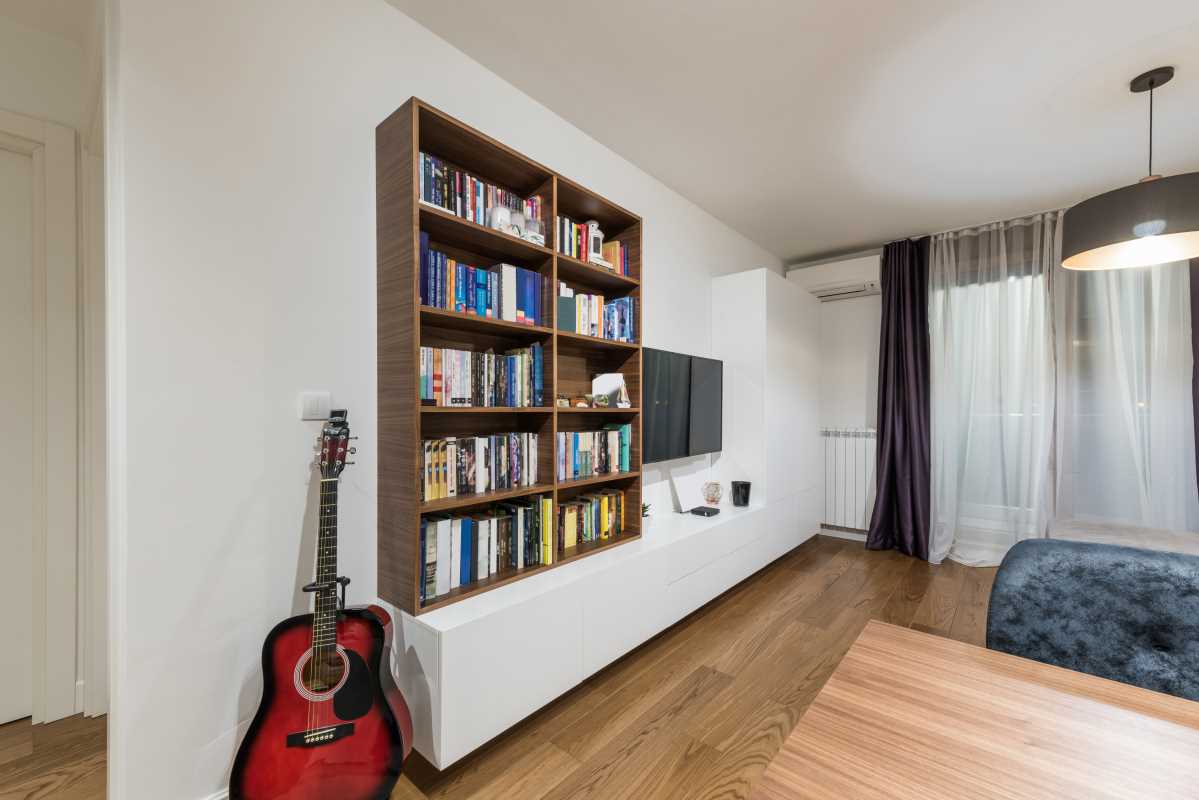
Floating shelves are a perfect example of this principle. These shelves attach directly to the wall without visible brackets, creating a sleek, clean look that defines minimalist design. You can stack them high up towards the ceiling to store items you don't use every day, like seasonal decor or old photo albums. Keeping the floor clear creates an optical illusion that makes the room feel wider and more open.
Tall, narrow bookcases are another excellent option. Instead of a wide, bulky cabinet that blocks traffic flow, choose a unit that is only 12 to 15 inches wide but reaches nearly to the ceiling. These "tower" units draw the eye upward, emphasizing the height of the room rather than its narrow width. They are perfect for tight corners or the small spaces between doorways.
The Magic of Multi-Functional Furniture
Every piece of furniture in a narrow space needs to earn its keep. A simple coffee table or a basic ottoman is a wasted opportunity if it doesn't also provide storage. Multi-functional furniture acts as a secret weapon against clutter, hiding your belongings in plain sight.
Storage ottomans are incredibly versatile. They serve as a footrest, extra seating for guests, and a coffee table if you add a tray on top. Inside, they offer a deep cavity perfect for stashing blankets, video game controllers, or magazines. You can find narrow, rectangular benches that fit perfectly at the foot of a bed or in an entryway hallway.
Beds with built-in drawers are a game-changer for narrow bedrooms. A standard bed frame leaves a gap underneath that often becomes a dust bunny collection zone. A platform bed with drawers utilizes that dead space efficiently. You can store off-season clothes, extra linens, or shoes right under your mattress. This eliminates the need for a bulky dresser, freeing up floor space for better movement around the room.
For the living area, look for a sofa with hidden storage under the cushions. Some modern designs allow the seat to lift up, revealing a compartment for pillows or board games. This is much more effective than trying to shove bins under a regular couch where they are visible and hard to reach.
Utilizing the "Dead Space" Behind Doors
Doors are necessary, but the space behind them is often completely ignored. This area is a goldmine for storage in narrow apartments. Over-the-door organizers have come a long way from the cheap plastic shoe pockets of the past. Modern versions feature sturdy fabric, metal baskets, or sleek hooks that blend in with your decor.
In a narrow bathroom, an over-the-door rack can hold towels, toiletries, and cleaning supplies, freeing up space under the sink. In a bedroom, hooks on the back of the door are perfect for bags, scarves, or tomorrow's outfit. This keeps these items off the floor and off the furniture, maintaining that clean, minimalist aesthetic.
Another clever trick is to install a shelf above the door frame. There is almost always a foot or so of wall space between the top of the door and the ceiling. A simple shelf here can hold books, decorative baskets, or boxes of items you rarely need to access. It utilizes space that would otherwise remain empty and adds a unique architectural element to the room.
Slim Profile Entryway Solutions
Entryways in narrow homes are notorious clutter magnets. It's the first place you drop your keys, mail, coat, and shoes. Without a system, this narrow passage can become impassable. The key here is to use storage that hugs the wall closely.
Shoe cabinets with tilting drawers are a brilliant invention for tight hallways. Unlike traditional shoe racks that stick out a foot or more, these cabinets are often only 6 to 8 inches deep. The drawers tilt open at an angle, allowing you to slide shoes in vertically. When closed, the unit looks like a sleek console table.
Wall-mounted hooks and rails are superior to coat racks. A standing coat rack takes up valuable floor space and can easily tip over if overloaded. A sturdy rail mounted to the wall can hold just as many coats and bags without encroaching on the walkway. You can add a narrow floating shelf above the hooks for mail and keys, creating a complete "drop zone" that takes up zero floor space.
Kitchen Storage for The Galley Layout
Narrow kitchens, often called galley kitchens, present unique challenges. Counter space is limited, and cabinets can feel claustrophobic. Maximizing storage here requires creativity and specialized organizers.
Magnetic strips are a fantastic way to clear off the counters. Instead of a bulky knife block taking up prep space, mount a magnetic strip on the backsplash to hold your knives. You can also use magnetic spice jars on the side of the refrigerator. This keeps your spices visible and accessible without filling up a cabinet or drawer.
Tension rods are surprisingly useful inside cabinets. You can install small tension rods vertically to create dividers for baking sheets, cutting boards, and pot lids. Storing these flat items vertically makes them much easier to grab and saves a tremendous amount of horizontal shelf space.
Under-shelf baskets are another simple addition that doubles your storage. These wire baskets slide onto existing shelves, utilizing the empty air space above your plates or mugs. They are perfect for storing box of foil, sandwich bags, or kitchen linens.
Concealed Storage for a Clean Look
Minimalism isn't just about having less stuff; it's about visual peace. Seeing all your belongings, even if they are organized, can still feel chaotic in a small room. Concealed storage helps maintain a calm, uncluttered atmosphere.
Curtains can be used strategically to hide storage areas. If you have an open shelving unit that looks messy, hanging a simple fabric curtain in front of it can instantly soften the room and hide the visual noise. You can also use a curtain to conceal a closet with removed doors, saving the swing space needed for the door itself.
decorative boxes and bins are essential for open shelves. Instead of stacking loose papers, cables, or office supplies on a shelf, place them in matching boxes. This creates a uniform look that is pleasing to the eye. Label the boxes clearly so you don't have to rummage through them to find what you need. Woven baskets add texture and warmth while hiding mismatched items like toys or electronics.
The Rolling Cart Advantage
Mobility is a huge asset in a narrow space. A slim rolling cart can serve multiple purposes and be moved out of the way when not in use. These carts, often only a few inches wide, can slide into the awkward gap between a refrigerator and the counter, or between a washer and dryer.
In a bathroom, a rolling cart can hold extra toilet paper, cleaning products, and toiletries. In a kitchen, it can act as a mobile pantry for canned goods and spices. When you need something, you simply roll it out. When you're done, it disappears back into the gap. This flexibility allows you to adapt your storage to your current activity without permanently committing floor space to a stationary cabinet.

.png)